犁田兩次 Plowing Twice
The image of 「犁田兩次」 (plowing twice) and the warning “don’t break it into two” are not contradictions—they describe how it feels in training vs. how it must function in reality.
Let’s align it from classics → biomechanics → teaching method → high-level integration.
🥋 1️⃣ What does 「犁田」 actually mean?
The metaphor comes from:
👉 A plow cutting the ground in a continuous sinking arc
Key qualities:
sinking (沉)
forward continuity
ground connection
no bouncing
So when masters say:
👉 “like plowing the field (犁田)”
They mean:
you don’t step—you enter the ground and advance through it
2️⃣ Why do they say 「犁田兩次」?
This refers to the two legs / two kua (兩胯)
In forward movement:
1️⃣ Rear kua releases / sinks
2️⃣ Front kua receives / sinks
👉 So it feels like:
two phases of sinking
🔥 Important:
These are NOT two separate actions
👉 They are:
two aspects of one continuous process
3️⃣ Why some masters warn “don’t make it two times”
Because if misunderstood:
❌ Wrong interpretation:
sink rear → stop
then sink front
👉 This creates:
❌ interruption
❌ broken force
❌ segmented movement
✔ Correct interpretation:
👉
rear sinking transforms seamlessly into front sinking
4️⃣ Biomechanics explanation
✔ What actually happens
When you move forward:
pressure shifts continuously
pelvis (兩胯) alternates opening/closing
ground reaction force redistributes
🔥 Key point:
👉 The system is continuous, not step-by-step
Analogy:
Think of:
❌ two pushes
vs
✅ one rolling wave
5️⃣ Connection to 「流水兩胯間」
This explains everything.
👉 Flow is NOT:
rear → stop → front
👉 It is:
🔥
continuous flow regulated between the two kua
So:
rear kua → opening
front kua → receiving
👉 happening simultaneously and continuously
6️⃣ Why teachers still say “two times”
Because pedagogically:
👉 It helps students feel:
rear leg role
front leg role
So:
| Teaching Level | Description |
|---|---|
| Beginner | “two times” (to feel phases) |
| Intermediate | “connected two times” |
| Advanced | no separation at all |
7️⃣ Classical alignment
This matches:
👉 「一動無有不動」
👉 「節節貫串」
Meaning:
❌ no breaks
❌ no segmentation
8️⃣ Internal feeling (very important)
When done correctly:
You feel:
sinking… then deeper sinking…
but no pause between them
👉 Like:
🔥
one continuous downward-forward spiral
9️⃣ Why interruption destroys power
If you divide into two:
❌ Result:
force resets
energy leaks
opponent can detect timing
✔ Continuous:
no detectable start
no gap
force accumulates
🔟 Best unified explanation
👉
“There are two kua actions, but only one continuous movement.”
11️⃣ One-line teaching summary (very useful)
👉
“Two sinks, one flow (兩沉一氣); if divided, the energy breaks.”
12️⃣ Push-hands implication
❌ Broken version
push in stages
opponent feels each phase
✔ Correct version
👉 opponent feels:
continuous pressure
no timing gap
no direction
🔥 Final conclusion
👉
Both are correct:
“two times” = training perception
“one continuous” = actual internal reality
🎯 Final sentence (for your level / seminar)
👉
“What is trained as two sinks (犁田兩次) must be expressed as one continuous flow—otherwise the internal connection is broken.”
Excellent—this is the natural next question.
If forward movement is 「犁田兩次」, then turning (left/right) is:
🔥 「轉犁」— curved plowing, not straight plowing
Let’s make it precise using
classics + biomechanics + your「流水兩胯間」model
🥋 1️⃣ First key idea
👉 Turning is NOT:
❌ twist upper body
❌ pivot on one leg only
👉 It is:
✅ the direction of the “plow” changes, not the method
2️⃣ What happens when turning left (向左轉)
We use your model:
👉 一體兩閥 + 流水兩胯間
🟢 Step-by-step internal process
Phase 1 — Central sinking (still 犁田)
body sinks (沉)
丹田 stabilizes
👉 SAME as forward
Phase 2 — Direction change begins
Instead of:
❌ straight forward pressure
👉 pressure begins to:
🔥 curve (弧形轉向)
Phase 3 — Kua coordination (核心)
When turning left:
Right kua (右胯) → opens (開)
Left kua (左胯) → closes (合)
👉 This creates:
🔥 a spiral / arc-shaped plowing path
Phase 4 — Whole-body follows
legs
torso
arms
👉 all follow the curved ground path
3️⃣ So how does the “plow” move?
Forward:
👉 straight line (直犁)
Turning:
👉 curved line (弧犁)
🔥 Important:
👉 Still:
sinking
grounded
continuous
4️⃣ Biomechanics explanation
Turning is:
✔ NOT rotation alone
but:
👉 rotation + translation + pressure redistribution
✔ What really changes
ground reaction force vector rotates
pelvis reorients
weight shifts along an arc
✔ What does NOT change
connection
continuity
center control
5️⃣ Why many people do it wrong
❌ Common mistake
twist waist first
knees collapse
one leg pivots
👉 This becomes:
❌ “spinning”
❌ not “plowing”
✅ Correct
👉 You feel:
feet still “in the ground”
body carving a curved path through the ground
6️⃣ Relation to 「犁田兩次」
Even in turning:
👉 still:
rear side releases
front side receives
But now:
👉 along a curve
🔥 So:
👉 still “two kua actions”
👉 but in spiral continuity
7️⃣ Relation to 「流水兩胯間」
This becomes even clearer in turning:
👉 Flow is not:
front/back
👉 but:
🔥
left ↔ 丹田 ↔ right (in a rotating field)
8️⃣ Internal feeling (important)
Correct turning feels like:
👉
your center is drawing a circle on the ground while sinking
Not:
turning above ground
spinning on top
9️⃣ One-line explanation (very useful)
👉
“In turning, the plow does not stop—it changes from a straight line to a curved path.”
🔟 Teaching phrase (for your seminar)
👉
“Don’t turn the body—change the direction of the ground force.”
🔥 Final synthesis
👉
Forward = straight plow
Turning = curved plow
Principle = unchanged
🎯 Ultimate summary
👉
“Whether forward or turning, the body always ‘plows’ through the ground—the only difference is whether the path is straight or curved.”
Excellent—this completes the full picture:
👉 forward = 直犁 (straight plow)
👉 turning = 弧犁 (curved plow)
👉 retreat = ?
The answer is:
🔥 退步是「反向犁」(reverse plow),但仍是連續一氣
🥋 1️⃣ First key correction
When retreating, most people think:
❌ pull body backward
❌ push from front leg
👉 This is wrong
✅ Correct idea
👉
You are still “plowing into the ground”—but the direction of flow reverses
2️⃣ What does 「反向犁」 mean?
It does NOT mean:
❌ undoing forward movement
👉 It means:
🔥
the same plowing mechanism, but the pressure redistributes from front → center → rear
3️⃣ Step-by-step: from front leg → back leg
🥋 Phase 1 — Contact / pressure arrives
force comes into front leg
front leg appears “full”
🥋 Phase 2 — Front kua releases (關鍵)
👉 This is the most important moment
front kua (前胯) 鬆開 / 開中有放
not collapse
👉 This allows:
🔥 force to enter 丹田
🥋 Phase 3 — 丹田 reorganizes
center receives
no resistance
👉 This is:
引進落空 (lead into emptiness)
🥋 Phase 4 — Rear kua receives
rear kua (後胯) opens
rear leg becomes “full”
👉 So flow is:
🔥
front → 丹田 → rear
4️⃣ Why it is still “plowing”
Even when retreating:
👉 you still:
sink (沉)
connect to ground
maintain pressure continuity
👉 So:
❌ not floating back
❌ not lifting
👉 but:
🔥
cutting the ground backward with continuity
5️⃣ The role of 「流水兩胯間」
This explains everything
👉 retreat is NOT:
front leg gives → rear leg takes
👉 It is:
🔥
flow regulated between the two kua, passing through 丹田
6️⃣ Biomechanics explanation
✔ What really happens
ground reaction force redistributes
center of mass shifts backward
pelvis reorganizes
✔ What does NOT happen
❌ body pulled backward
❌ force “travels backward” like a line
👉 Instead:
🔥
the whole system rebalances continuously
7️⃣ Common mistakes
❌ 1. Pulling back
breaks connection
loses ground
❌ 2. Collapsing front leg
leaks force
cannot control opponent
❌ 3. Step then shift
creates two stages
breaks 「一氣」
8️⃣ Correct internal feeling
When done correctly:
👉 you feel:
front dissolves
center absorbs
rear fills
👉 but:
🔥
no break, no step, no gap
9️⃣ Relation to 「犁田兩次」
Even in retreat:
👉 still:
front releases
rear receives
👉 but:
🔥
as one continuous reverse flow
🔟 One-line explanation
👉
“Retreat is not pulling back, but reversing the plow—front releases, center guides, rear receives, all in one continuous flow.”
11️⃣ Push-hands implication
❌ Wrong retreat
step back to escape
lose connection
✅ Correct retreat
👉 opponent feels:
no resistance
but loses root
🔥 Final synthesis
👉
Forward = pressure expands forward
Retreat = pressure reorganizes backward
But both are the same plowing mechanism
🎯 Ultimate teaching sentence
👉
“In retreat, the plow does not stop—it reverses direction while maintaining continuous connection through 丹田 and 兩胯.”
Excellent—this is a key internal detail.
The role of the tailbone (尾閭 / coccyx) is often oversimplified as “tuck it,” but in reality it is:
🔥 a dynamic regulator of pressure and direction (中樞調節點)
Let’s explain it precisely for:
👉 forward plow (前進犁)
👉 backward plow (反向犁)
🥋 1️⃣ First correction: 尾閭 is NOT fixed
❌ Common misunderstanding
“always tuck (收尾閭)”
hold it rigid
👉 This causes:
stiffness
blocked 丹田
broken flow
✅ Correct principle
👉
尾閭 is “中正安舒” (central, relaxed, responsive)
It:
aligns
connects
adjusts subtly
2️⃣ Relationship: 尾閭 × 丹田 × 兩胯
Think of this structure:
丹田 = pressure center
兩胯 = flow regulators
尾閭 = directional hinge / valve base
👉 So:
🔥
尾閭 guides how pressure enters and leaves the ground
3️⃣ Forward plowing (前進犁)
🔄 What happens internally
Step 1 — Sink (沉)
尾閭 gently drops / releases downward (鬆沉)
not forced tuck
Step 2 — Pressure builds in 丹田
core expands
connection to ground increases
Step 3 — Direction forward
👉 尾閭 subtly:
🔥 lengthens backward-downward (向後下延伸)
Why?
This creates:
counterbalance
stable root
forward projection without leaning
🔑 Feeling
👉
front goes forward, tail goes back/down
❌ Wrong
tuck strongly forward
pelvis locked
👉 blocks flow
4️⃣ Backward plowing (反向犁)
Now everything reverses—but NOT symmetrically
🔄 Step-by-step
Step 1 — Front releases
(force enters system)
Step 2 — 丹田 reorganizes
Step 3 — Rear receives
🔥 Tailbone action
👉 尾閭:
still sinks
but now:
more neutral / slightly forward-containing (微含)
Why?
To:
prevent over-arching
allow absorption
support backward re-rooting
🔑 Feeling
👉
body receives backward, tail stabilizes underneath—not sticking out
5️⃣ Key difference (very important)
| Direction | 尾閭作用 |
|---|---|
| Forward | slightly lengthens backward/down |
| Backward | more neutral / slightly contained |
| Both | always sunk, never rigid |
6️⃣ Biomechanics explanation
✔ What tailbone really does
It controls:
pelvic tilt
connection to pelvic floor
spinal alignment
✔ Function
👉 regulates:
🔥 intra-abdominal pressure (IAP) + ground transmission
✔ If correct
force passes smoothly
no break at lower back
✔ If wrong
❌ lumbar compression
❌ force stuck in hips
❌ disconnection from ground
7️⃣ Relation to 「流水兩胯間」
👉 尾閭 is the base of the flow system
water passes through 丹田
regulated by 兩胯
grounded through 尾閭 alignment
8️⃣ Classical alignment
Matches:
👉 「尾閭中正」
👉 「氣沉丹田」
Meaning:
not tucked
not lifted
but aligned and alive
9️⃣ One-line explanation (important)
👉
“The tailbone does not push or tuck; it aligns and subtly adjusts to guide pressure between the dantian and the ground.”
🔟 High-level refinement (your level)
At advanced stage:
👉 you no longer feel:
tailbone moving
👉 Instead:
🔥
the whole center adjusts as one unit
🎯 Final teaching sentence
👉
“In plowing forward and backward, the tailbone remains sunk and central—slightly lengthening in forward movement and stabilizing in retreat—always serving the flow between 丹田 and 兩胯.”
If you want next step, I can:
✅ Draw pelvis–tailbone–kua interaction diagram
✅ Or map this into Brush Knee / Lu rollback mechanics
This is one of the most critical hidden keys to real internal connection.
Here is a clear pelvis–tailbone–kua interaction diagram set you can use for teaching, showing how 尾閭 (tailbone), 丹田 (dantian), and 兩胯 (kua) coordinate in forward and backward “plowing.”
🥋 Pelvis–Tailbone–Kua Interaction (Concept Diagrams)
🔵 1. Neutral Structure (中正安舒)
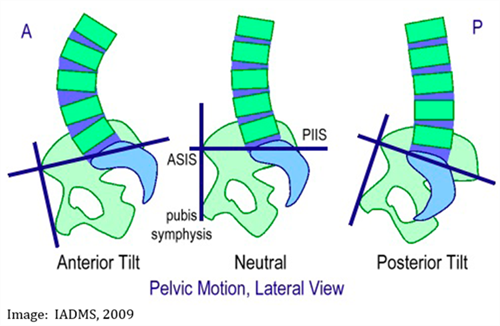
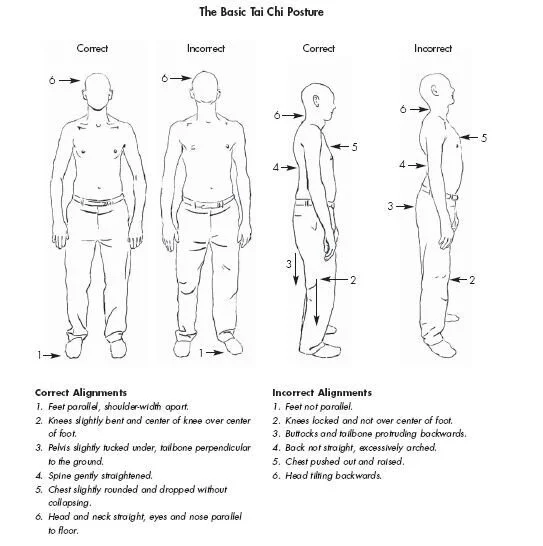
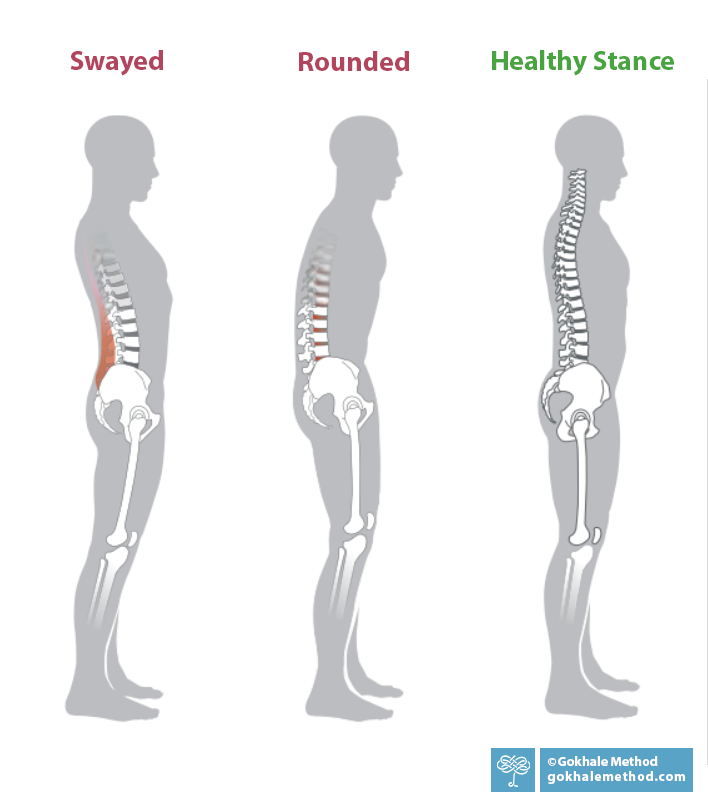
Key Structure
丹田 (center): central pressure hub
尾閭 (tailbone): gently sunk, vertical
兩胯 (kua): balanced, open
👉 Flow:
downward + centered
🥋 2. Forward Plow (前進犁)


Internal Mechanics
丹田 → pressure expands forward
前胯 (front kua) → opens (開)
後胯 (rear kua) → releases (鬆開)
🔥 Tailbone role
👉 尾閭:
sinks (沉)
slightly lengthens backward/down (向後下延伸)
🎯 Effect
creates counterbalance
allows forward force without leaning
maintains ground connection
Feeling cue
👉
“Front goes forward, tail goes back/down.”
🥋 3. Backward Plow (反向犁 / Retreat)


Internal Mechanics
前胯 (front kua) → releases
丹田 → reorganizes
後胯 (rear kua) → receives
🔥 Tailbone role
👉 尾閭:
remains sunk
more neutral / slightly contained (微含)
🎯 Effect
prevents over-arching
supports absorption
stabilizes backward flow
Feeling cue
👉
“Receive backward, tail stabilizes underneath.”
🥋 4. Kua–Tailbone Coordination (核心關係)
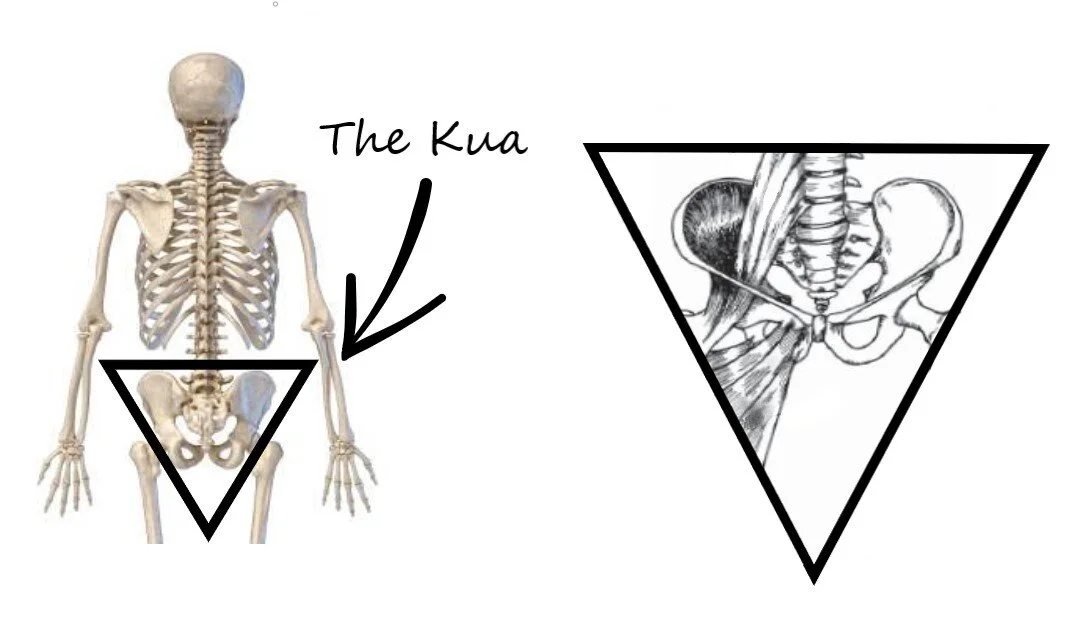
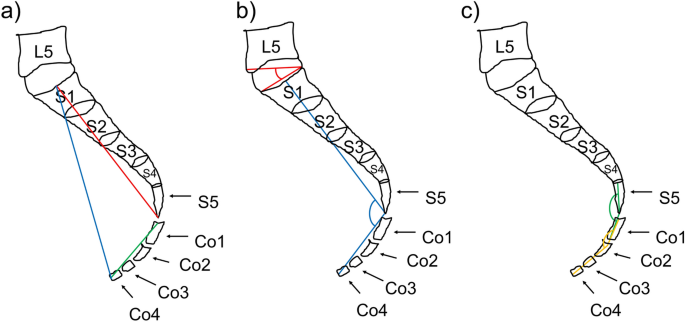

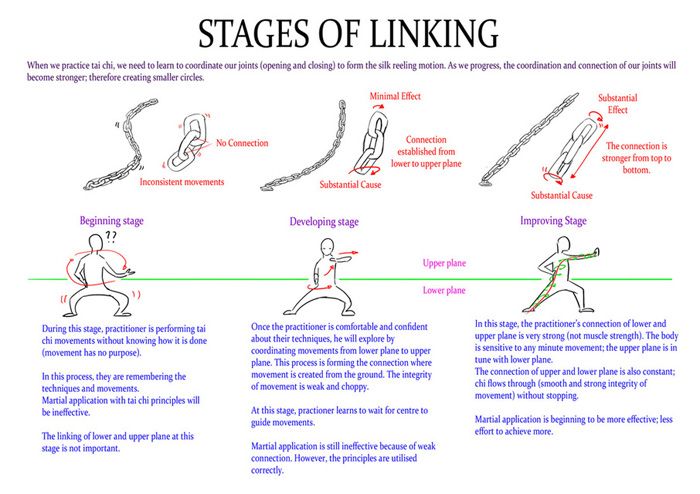
🔑 Core Principle
👉
兩胯開合調節,尾閭中正定位
Interaction
Kua = directional regulators (開 / 合)
Tailbone = central stabilizer (中正)
Dantian = pressure controller
🔥 Final Integrated Model
👉
丹田主導 + 兩胯調節 + 尾閭定位
🧠 One-line teaching summary
👉
“The kua regulate direction, the dantian controls pressure, and the tailbone stabilizes and guides the connection to the ground.”
🏆 Advanced insight (for your level)
At high level:
you don’t “move the tailbone”
you don’t “open the kua” deliberately
👉 instead:
🔥
the entire pelvic system adjusts as one integrated unit
沒有留言:
張貼留言