脊根骨 (jǐ gēn gǔ) literally means “the root bone of the spine.”
In traditional Chinese body concepts, especially in Tai Chi Chuan, internal martial arts, and Daoist body theory, 脊根骨 does not refer to one single Western-anatomy bone. Instead, it is a functional and experiential term.
1. Anatomical meaning (closest Western equivalent)
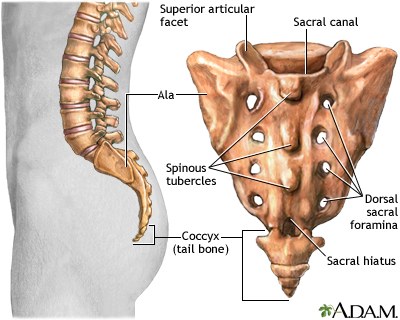
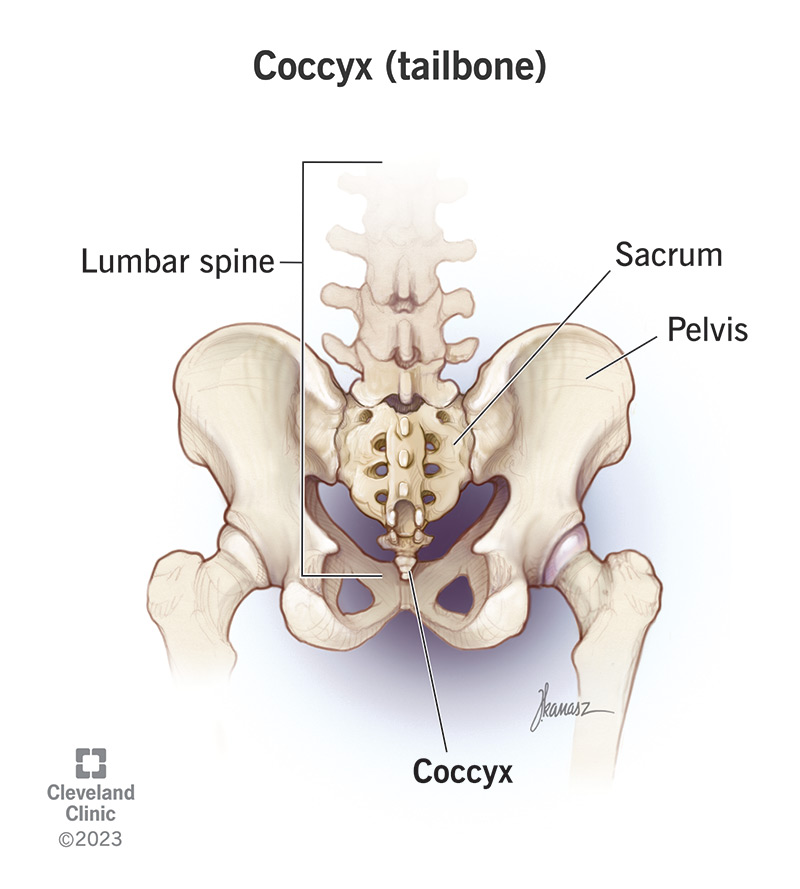
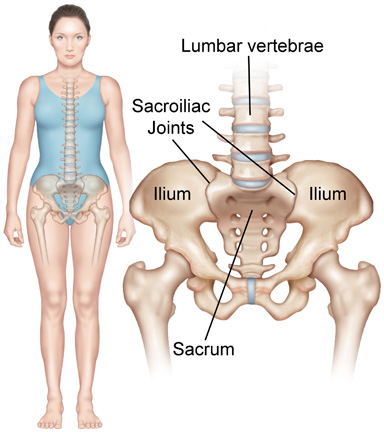
In modern anatomy, 脊根骨 most closely corresponds to the sacrum and coccyx region, specifically:
-
The sacrum (sacral bone)
-
The coccyx (tailbone)
-
The lumbosacral junction (L5–S1)
This area is the physical base of the spinal column.
2. Functional meaning in Tai Chi and internal arts
In Tai Chi theory, 脊根骨 refers to:
The dynamic root of spinal power and transmission
It is the starting point where:
-
Ground force rises from the feet
-
Power is transmitted upward through the spine
-
Whole-body force (整勁) is unified
Key functions:
-
Acts as the hinge between legs, pelvis, and spine
-
Allows spiral force (纏絲勁) to enter the spine
-
Maintains neutral pelvic alignment (neither tucked nor arched)
3. Relationship to other Tai Chi concepts
| Concept | Relationship |
|---|---|
| 尾閭 (wei lü) | The movable tip of the spinal root |
| 命門 (mingmen) | The energetic gate above the spinal root |
| 丹田 (dantian) | The internal driver; 脊根骨 transmits its movement |
| 腰為一身之主宰 | The waist governs; 脊根骨 is the physical anchor |
| 力由脊發 | Force issues from the spine, rooted at 脊根骨 |
4. Practical explanation (in plain English)
You can explain 脊根骨 as:
“The base of the spine where force from the legs enters the spinal column and is transmitted through the body.”
Or more simply:
“The spinal root.”
When this area is:
-
Loose → power flows smoothly
-
Collapsed → structure breaks
-
Over-tucked → force is blocked
-
Over-arched → force leaks
5. Common misunderstanding
❌ Not:
-
A specific named bone in Western anatomy
-
Just the coccyx alone
✅ It is:
-
A functional region
-
A power-transfer hub
-
A root point, not a rigid structure
One-sentence Tai Chi definition
脊根骨 is the functional root of the spine at the sacral–coccygeal region, where ground force enters the spinal column and whole-body power is coordinated.
脊根骨
Chatgpt
以下是清楚、可教學的中文說明,結合解剖位置 × 太極拳用法,直接回答你「脊根骨是何處」。

一、結論先說(最重要)
「脊根骨」不是現代醫學的正式名詞,
在太極拳語境中,指的是「脊柱的根部」——以「薦骨(骶骨)為核心,連同尾閭(尾骨)」的整個區域。
二、實際解剖位置在哪裡?
從上往下看:
腰椎(L5)
薦骨(骶骨,Sacrum) ← ⭐核心
尾骨(尾閭、尾椎,Coccyx)
👉 脊根骨 = 腰椎最下段銜接薦骨、尾骨的整體區域
👉 位於:
骨盆後方正中
兩側腰眼之間
丹田的正後方
三、為何稱為「脊根」?
因為它具備三個「根」的功能:
① 結構之根
是脊柱站立的基座
上承脊椎,下接骨盆與雙腿
② 勁力之根
地力由腳上傳
經胯 → 薦骨 → 脊柱 → 手
若此處鬆沉不正,全身斷勁
③ 中軸之根
所有轉動、開合、升降
都繞此處形成中軸
四、太極拳中常見相關說法(對應關係)
| 太極用語 | 實際所指 |
|---|---|
| 脊根骨 | 薦骨為主,含尾骨 |
| 尾閭 | 尾骨 |
| 命門 | 腰椎 L2 附近(在脊根骨上方) |
| 腰眼之間 | 正對薦骨位置 |
| 立身中正 | 中軸由脊根骨直上 |
五、在練拳與推手中,脊根骨要「怎麼用」?
正確狀態
鬆而不塌
沉而不僵
有「垂直下沉、向上貫通」的感覺
👉 常用口訣:
「尾閭中正」
「脊根鬆沉」
「氣沉丹田而根在脊底」
六、常見錯誤理解(很重要)
❌ 以為脊根骨是「某一塊小骨頭」
❌ 用力夾臀、刻意收屁股
❌ 把尾骨硬捲(過度後傾)
✔ 正確是:
讓薦骨自然垂直、與脊柱連成一氣
七、一句最準確的教學定義(推薦)
「脊根骨,是指脊柱與骨盆相接之根,以薦骨為核心、含尾閭的中軸根基。」
若你需要,我可以下一步幫你:
將脊根骨 × 腰眼 × 湧泉整合成一套完整轉身邏輯
或整理成裁判/國際教學用的一段標準說法
只要告訴我用途即可。
沒有留言:
張貼留言